
 Tiếng Việt
 English
 中文
中文

Media guide
How Is Digital Out-of-Home Advertising Different from Traditional Billboards?
Last updated: 17 Aug 2026DOOH (Digital Out-of-Home) advertising is a form of Out-of-Home advertising that uses digital screens to display dynamic content in public spaces such as buildings, shopping malls, and transportation environments, unlike traditional billboards, which use static printed materials.
Both belong to the broader Out-of-Home (OOH) advertising category, but they differ significantly in how content is created, changed, and measured for effectiveness.
Display Content
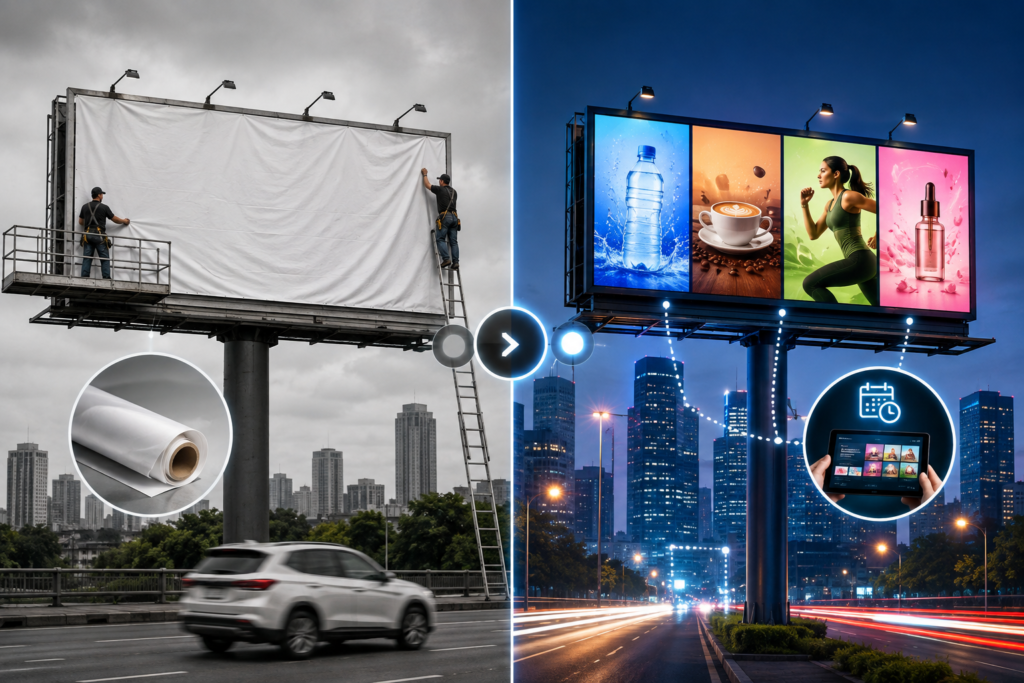
Traditional billboards use static printed materials such as vinyl banners and decals — one advertising creative remains unchanged until it is physically replaced.
DOOH displays content on digital screens, allowing multiple creatives to rotate or change according to a schedule without requiring physical intervention.
Content Changes and Updates
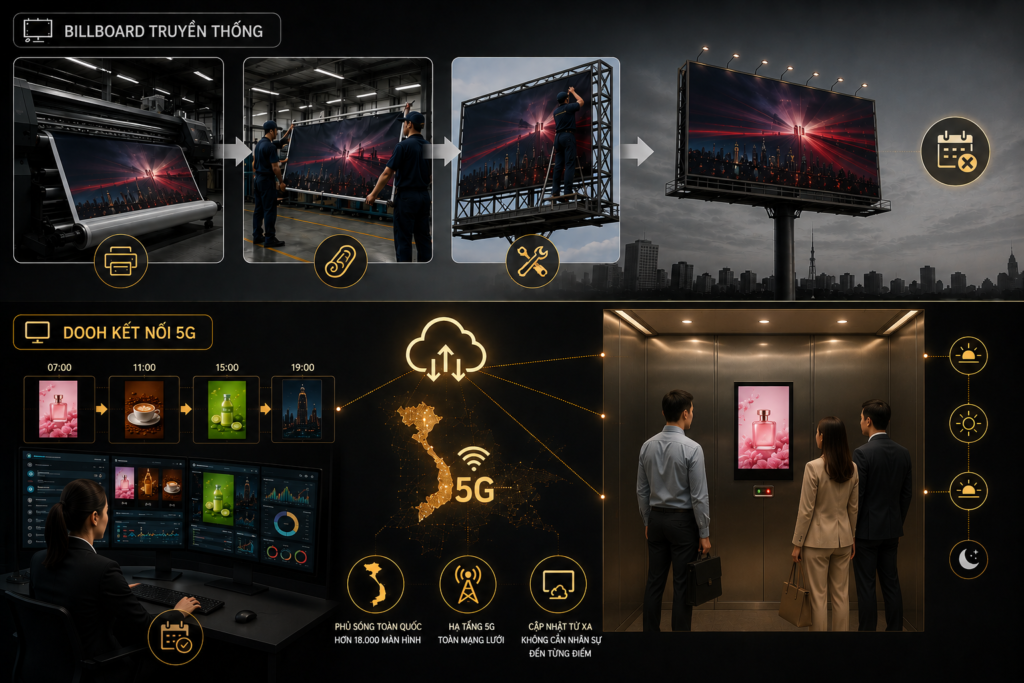
With traditional billboards, changing content means printing and physically installing new advertising materials.
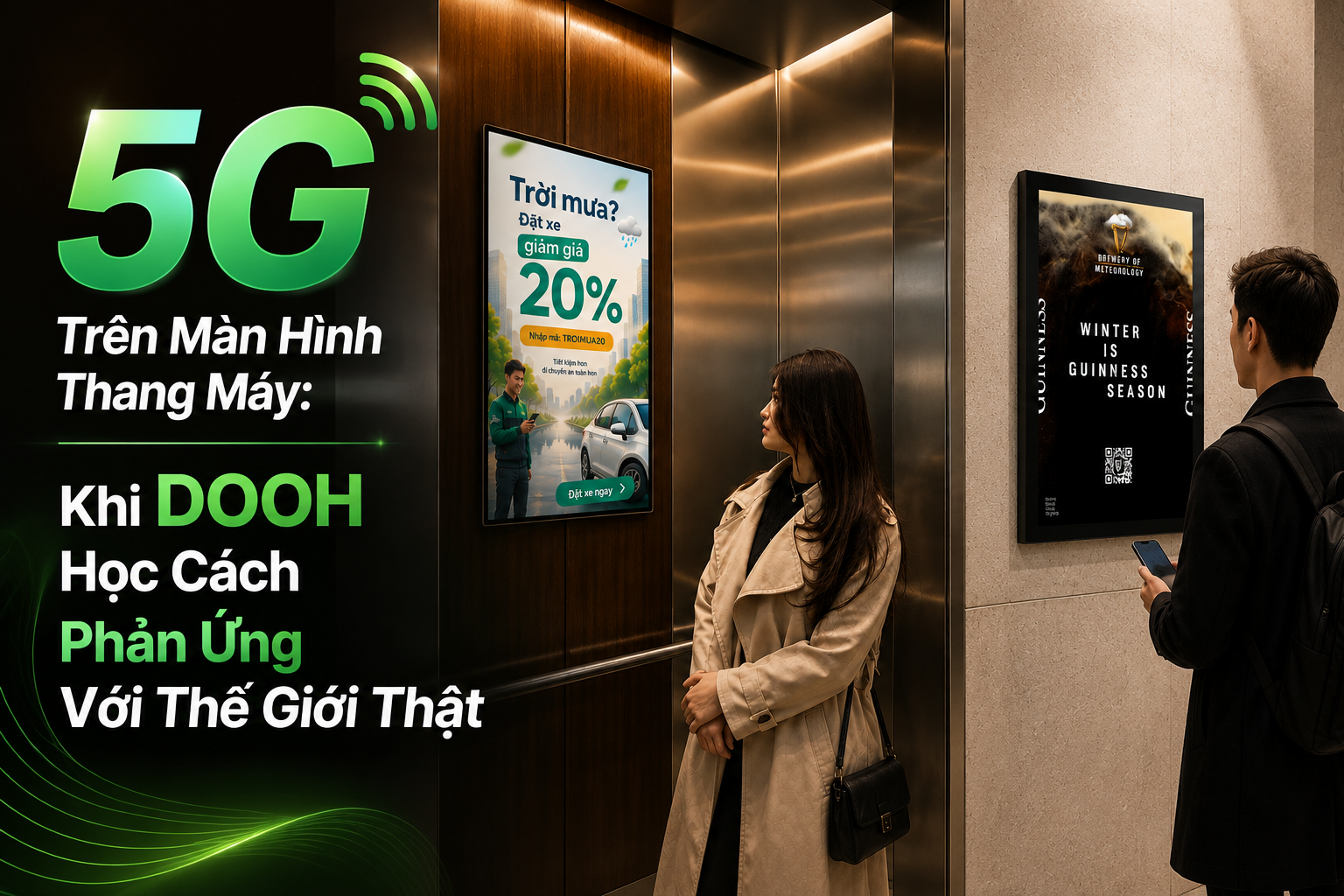
With network-connected DOOH, content can be updated remotely. With 5G infrastructure, updates can also be implemented according to specific campaign schedules, such as changing content by daypart.
In Vietnam, Focus Media Vietnam announced the completion of a 5G infrastructure upgrade across its entire network of more than 18,000 Elevator Media screens in July 2026, enabling content to be transmitted and updated remotely without requiring personnel to visit each individual media point.
Measurement Capabilities
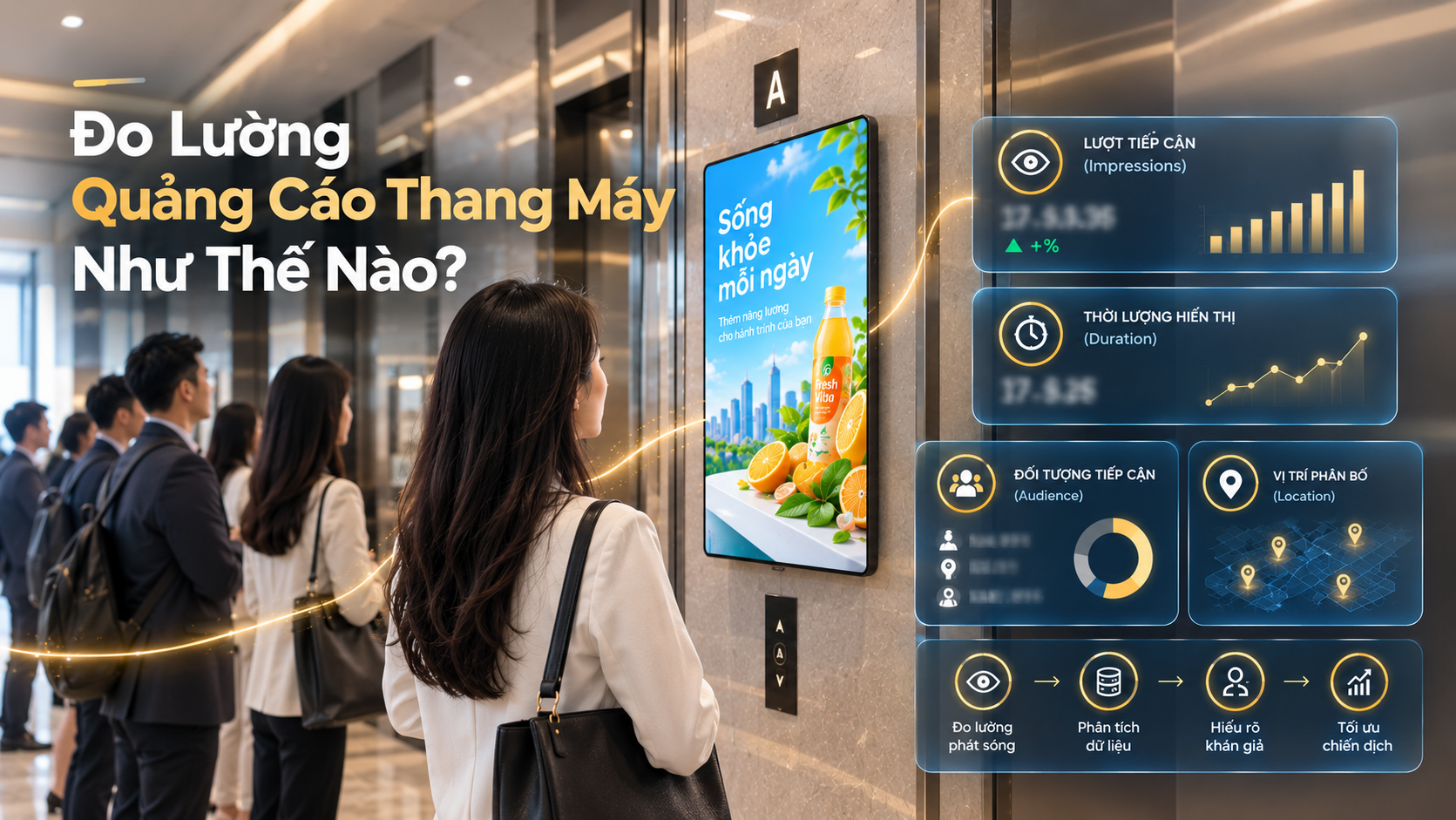
Traditional billboards generally provide little to no direct feedback signals from viewers.
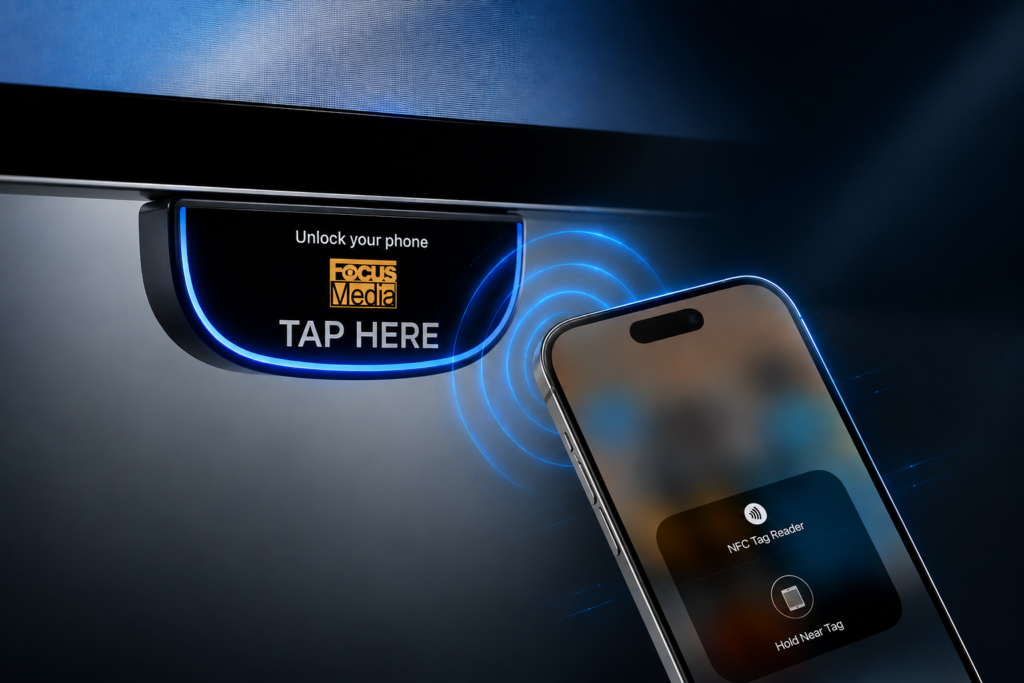
When DOOH is integrated with touchpoints such as NFC, it can capture certain interaction signals, although deeper conversion data still depends on the brand’s own systems.
Focus Media Vietnam is deploying NFC technology across its network in phases, with completion expected in September 2026. The technology serves as a bridge between offline and online environments through Offline-to-Online (O2O) connectivity.
Focus Media Vietnam in Vietnam’s DOOH Ecosystem
Focus Media Vietnam operates in the DOOH sector with a network of LCD and Digital Frame screens located in elevator lobbies and inside elevator cabins across office buildings, residential developments, and shopping malls in Hanoi and Ho Chi Minh City.
In addition to its 5G and NFC infrastructure, Focus Media Vietnam has introduced Intelligent Audience Planning — a solution that selects advertising screens based on the Target Audience, building characteristics, geographic area, and consumer behavior, helping brands optimize campaign effectiveness.
Do the Two Channels Replace Each Other?
Traditional billboards and DOOH often play complementary roles within an integrated Out-of-Home media plan, depending on location, objectives, and budget. One channel does not necessarily need to completely replace the other.
Nevertheless, in an era when consumer attention changes from one moment to the next, prioritizing a greater share of budget for DOOH can be a sharper strategic move due to its ability to customize messages in real time and enable direct interaction with customers.
Frequently Asked Questions (FAQ)
Q: Is DOOH always better than traditional billboards?
A: Not necessarily. Each channel has a distinct role depending on location and campaign objectives, so they should be evaluated on a case-by-case basis.
Q: What category does Elevator Media Advertising belong to?
A: Elevator Media Advertising belongs to the DOOH category. It operates through digital screens with flexible content-update capabilities — a technological capability offered by Focus Media Vietnam.
Q: Is DOOH more expensive than traditional billboard advertising?
A: It depends on the specific location, campaign duration, and advertising format. Brands should consult the advisory team to obtain an appropriate comparison.
Q: What differentiates Focus Media Vietnam’s Elevator Media Advertising within the DOOH category?
A: Focus Media Vietnam’s Elevator Media Advertising operates on a fully upgraded 5G infrastructure across its network, with NFC technology being deployed in phases. This enables remote content updates and creates an O2O bridge between offline and online environments.
Further reading: What Is DOOH Advertising and How Does It Work?


Comment (0)
Related News


 Contact
Let Focus Media Vietnam
Bring your brand into urban life
Share your campaign objectives. Focus Media Vietnam will advise on how your brand can appear at relevant touchpoints within the building and connect viewers to landing pages, e-commerce platforms, apps, or digital content.

No comments yet. Be the first to share your thoughts.